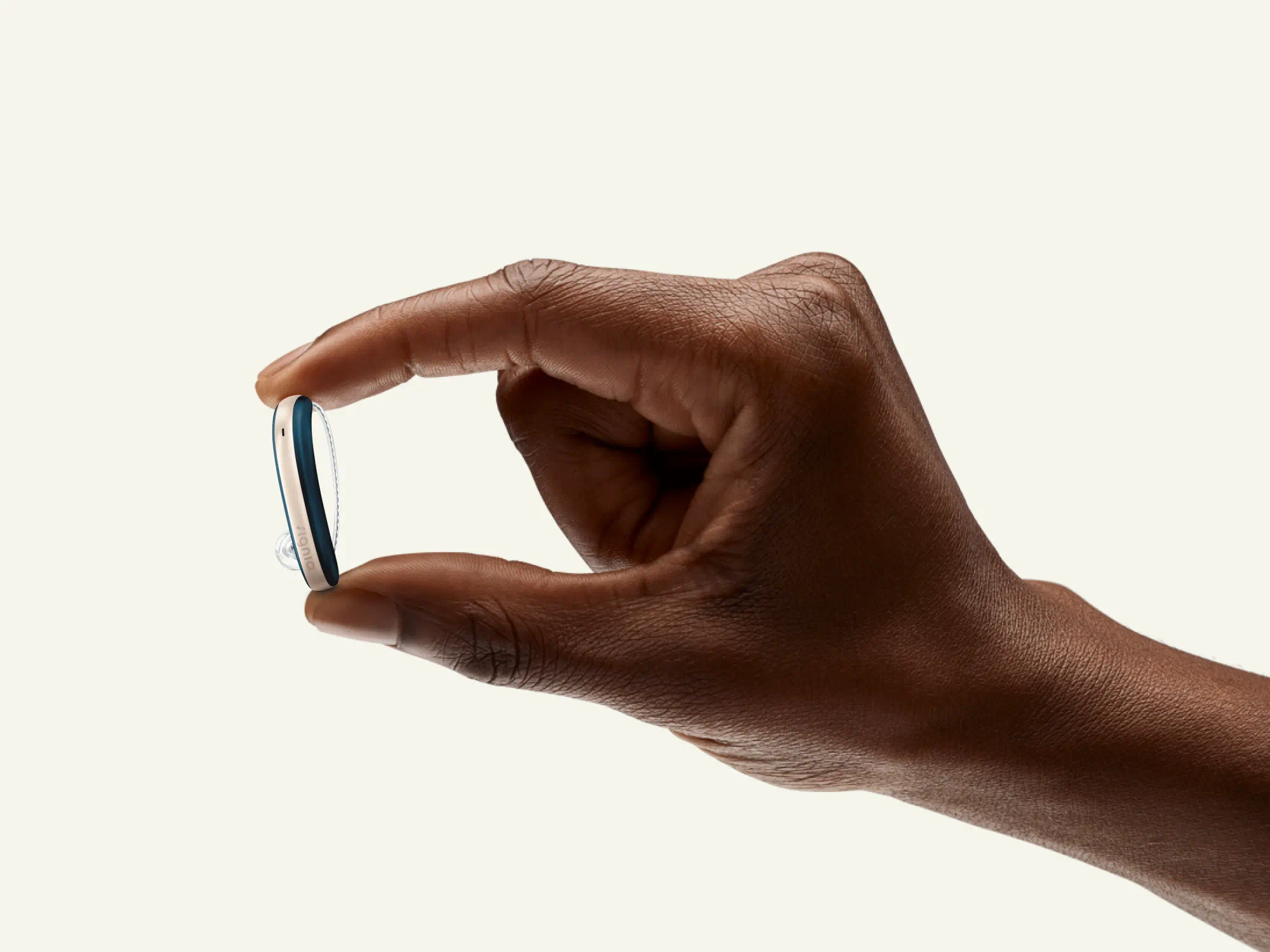
Taking on tinnitus
Ringing, buzzing, whistling - where in the world is it coming from? When you’re the only one hearing certain sounds, it can be frustrating. But with over 50 million Americans experiencing some form of tinnitus, you’re definitely not alone. With the help of innovative, proven methods, it’s time to tackle tinnitus and take back your quality of life.
Understanding tinnitus
What is tinnitus?
While often described as a ringing in the ear, tinnitus can take many forms - from buzzing, humming or clicking to a hissing or whistling.
Causes of tinnitus
Noise-induced hearing loss is the most common cause of tinnitus. Exposure to loud noise for extended periods of time can damage the hair cells of the inner ear, leading to reduced hearing (cue the slideshow of headbanging rockstars running through your mind). Regardless of where the noise exposure and resulting damage came from, tinnitus is your brain's adaptive reaction of "making up for" the noises it's no longer getting from the outside world. In short: your brain is creating noise to fill the silence.
Other causes of tinnitus include:
Other causes of tinnitus include:
Age-related hearing loss
Ear disorders
Blockage of the ear (such as earwax buildup)
Other medical conditions (such as cardiovascular or autoimmune disorders)
Damage to the middle and inner ear
Ear infections
Some prescription and non-prescription drugs
What are the types of tinnitus?
There are two main types of tinnitus. Subjective tinnitus, the most common type, can only be heard by you. In rare cases, about 1%, an outside observer (like a doctor with a stethoscope) can hear the sound, which can be produced by your body's circulatory and semiotic systems. This is objective tinnitus and is usually linked to other vascular disorders.
10-15% of Americans are dealing with tinnitus which can be caused by loud noise.
Tinnitus risk factors
It may not be possible to completely remove the risk of developing tinnitus, but there are certain triggers that contribute to the development or worsening of tinnitus.
Loud noises:
Reducing exposure to or protecting your ears from loud noise can prevent damage to your hearing.Smoking and drinking:
Both can increase your risk of developing tinnitus and can worsen symptoms.Caffeine and certain foods:
Both have been linked to worsening symptoms in some individuals.Lifestyle:
Stress, fatigue and unhealthy lifestyle habits can all trigger or increase tinnitus symptoms.

Managing tinnitus
Is there a cure for tinnitus?
While research is being done to understand and better treat tinnitus, there is currently no cure. If you are experiencing the rare form of objective tinnitus, treating the underlying medical conditions may lead to reduction of or complete recovery from tinnitus symptoms.
Tinnitus relief therapy (TRT)
With this therapy, the goal is to learn to "ignore" the tinnitus you are experiencing. A combination of directive counseling and sound marking (sound generated to mask other unwanted sounds) can help train the brain to notice tinnitus less. This can reduce stress, anxiety and other psychological effects of tinnitus. Lasting between 12 to 24 months, TRT has seen high levels of success.
Prevention & treatment
Can you prevent tinnitus?
Although some causes of tinnitus may not be preventable, there are ways to reduce risks of developing tinnitus symptoms or, if you're living with tinnitus, to prevent it from worsening.
Use ear protection
Turn down the volume
Avoid alcohol, tobacco and caffeine
Healthy habits:
Exercise and practice relaxation. Both can reduce your stress levels and boost your overall well-being, all of which can reduce tinnitus symptoms.
Ambient noise and music:
Background noise and music at a lower volume can help to mask tinnitus, making it less noticeable.
Watch your diet
Some foods or drinks may worsen tinnitus symptoms. Keep an eye on what you eat and track changes in your symptoms.
Hearing aids
Improving your hearing health and increasing the sound your ears perceive can provide a balance, masking the sound of your tinnitus and reducing its noticeability.
Explore your options on how to deal with tinnitus.
Leaving tinnitus untreated
If your tinnitus is mild or intermittent, you may be able to live just fine with the occasional symptoms. However, if your tinnitus is constant and you are finding it hard to concentrate and relax in your everyday life, untreated tinnitus can be dangerous. Constant focus on your tinnitus can lead to fatigue, anxiety, depression and isolation from your social groups. Finding ways to manage and lessen the noticeability of your tinnitus can greatly increase your quality of life.
Tinnitus & hearing loss: FAQ
Will hearing loss from tinnitus go away?
After exposure to loud noise, you may notice a ringing in your ears. This can subside after a period of time. However, if tinnitus is a symptom of permanent hearing loss, it may be irreversible.
Does tinnitus or hearing loss mean your brain is in trouble?
Tinnitus and hearing loss does not directly point to an issue with the brain. There is evidence, however, that tinnitus can change the adaptability and networking of our brains. This can make us more attentive and can lead to fatigue, concentration problems and even depression. If tinnitus is affecting your daily life, contact your doctor or hearing care specialist to learn how to manage your symptoms.
What type of hearing loss is tinnitus?
Tinnitus is associated with noise-induced hearing loss. Long-term exposure to loud noise or even short exposure to extreme loud noises can damage the hair cells of your inner ear, leading to reduced hearing. This can result in the development of tinnitus symptoms.
What happens if tinnitus goes untreated?
If your symptoms make it hard for you to concentrate and relax in your everyday life, untreated tinnitus can be dangerous. Constant focus on your tinnitus can lead to fatigue, anxiety, depression and isolation from your social groups. Finding ways to manage and lessen the noticeability of your tinnitus can greatly increase your quality of life.
Does ear ringing mean permanent damage?
If you're experiencing a ringing or buzzing in your ear, it does not mean you've done permanent damage. Temporary tinnitus can subside after a few hours or days and is an indication that you've put strain on your inner ear. However, long-term exposure to loud noise can cause permanent damage, which can lead to chronic tinnitus.